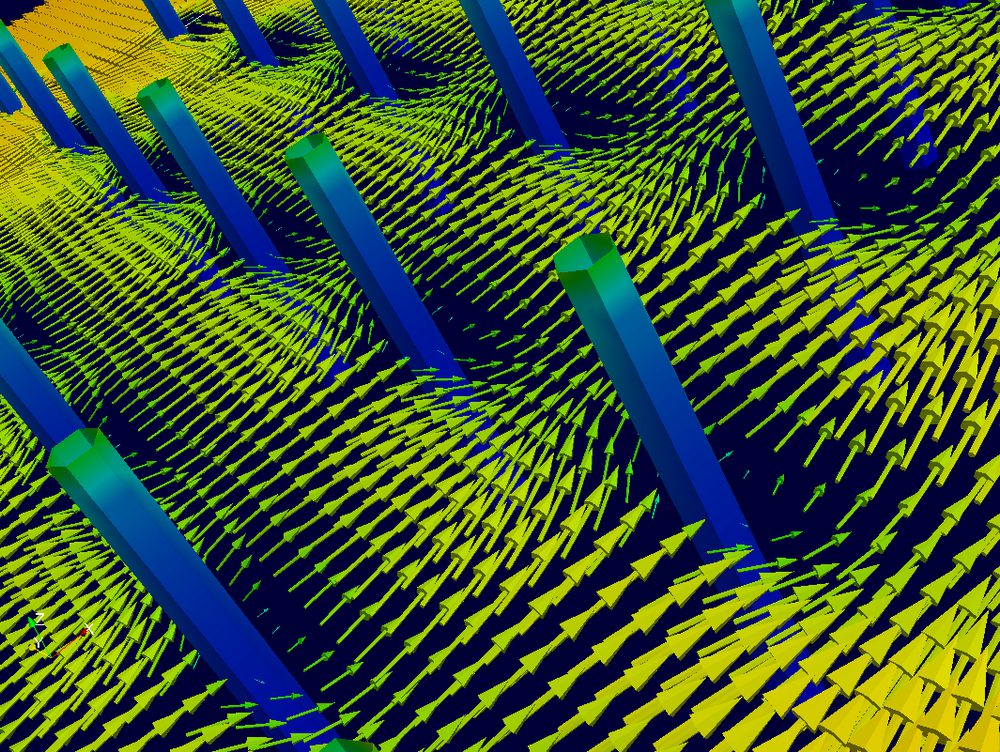
We combine experiments, computation, and theory. Our main computational tool is the immersed boundary method, which lets us simulate flexible bodies moving through fluid. We measure real animals, build models, and check the models against the animals.
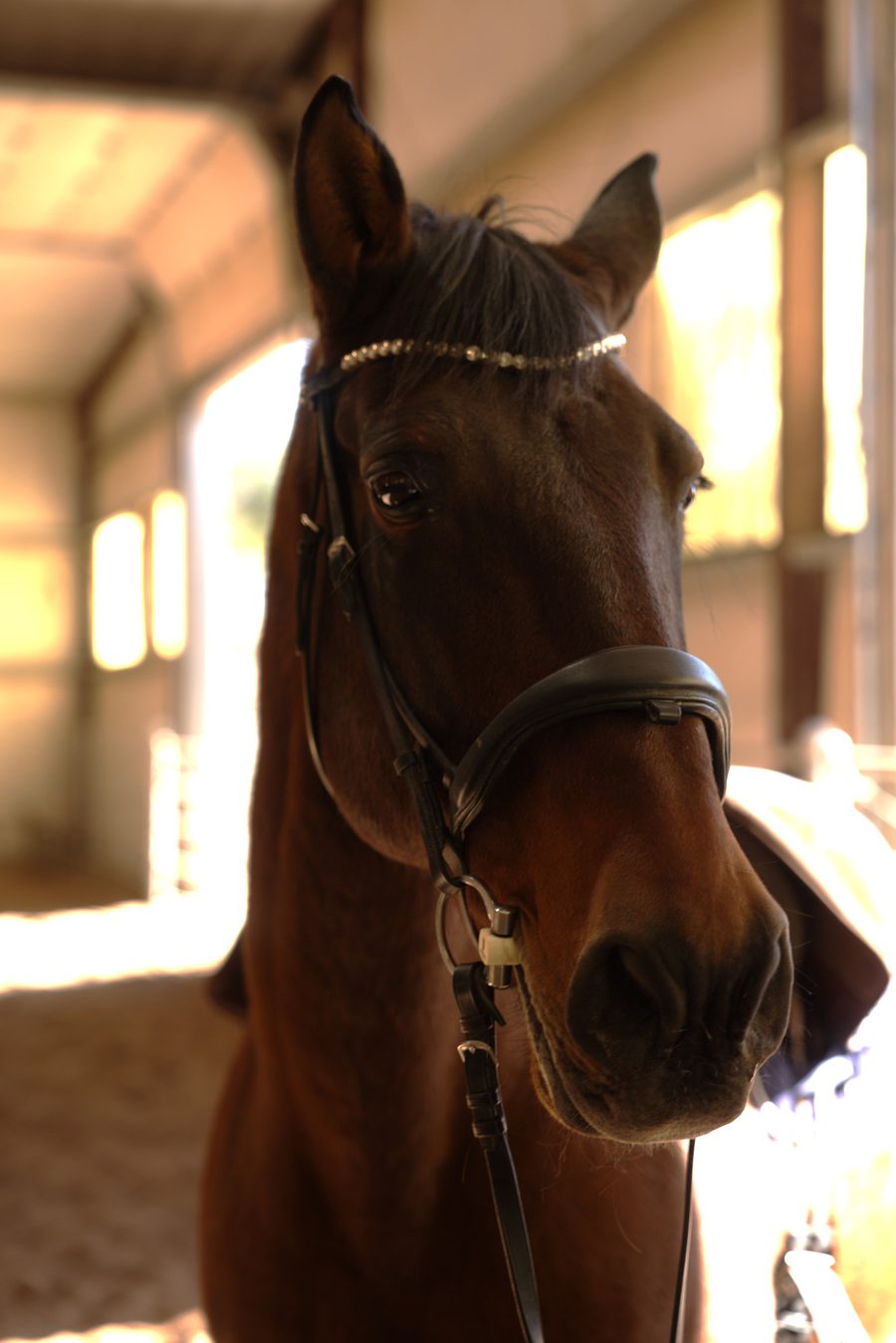
Horses are remarkable athletes. A fit horse's heart can idle near 30 beats a minute and race past 200. At the canter and gallop, each stride is tied to a breath. Systems biomechanics puts the pieces together: legs, lungs, heart, and the rider, and how they work as one animal.
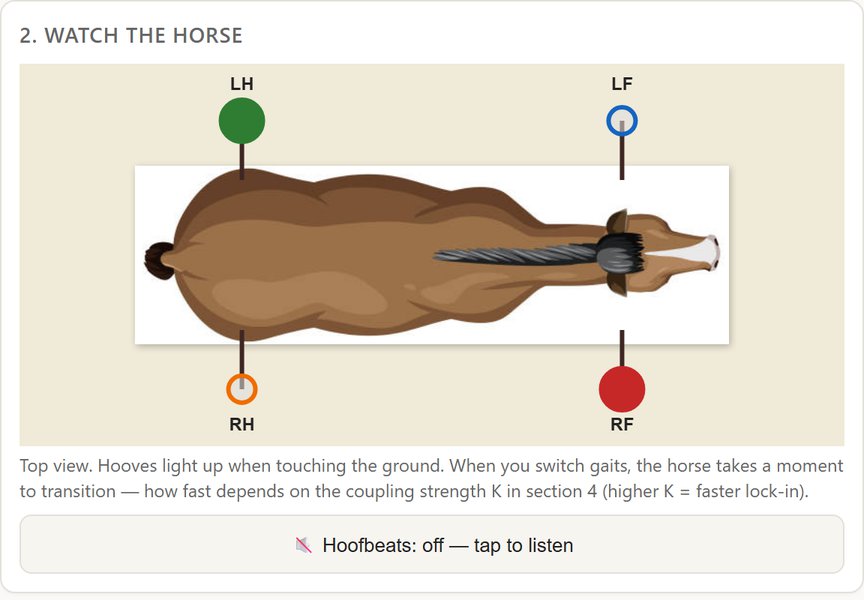
We study how gait, breathing, and heart rate interact, look for movement asymmetries that can point to injury or training imbalances, and model blood flow in the horse's aorta. Our data come from wearable motion sensors, heart-rate straps made for horses, and high-speed video. The horses are partners and teachers in all of it. Our horse work began at the University of Arizona's Al-Marah Equine Center in Tucson. When the university announced the sale of Al-Marah in 2026, the horses and the program moved to Rancho del Nido in Sonoita, home of EquiPhysics.
Gait asymmetry in off-the-track Thoroughbreds (OTTBs), measured with inertial sensors.
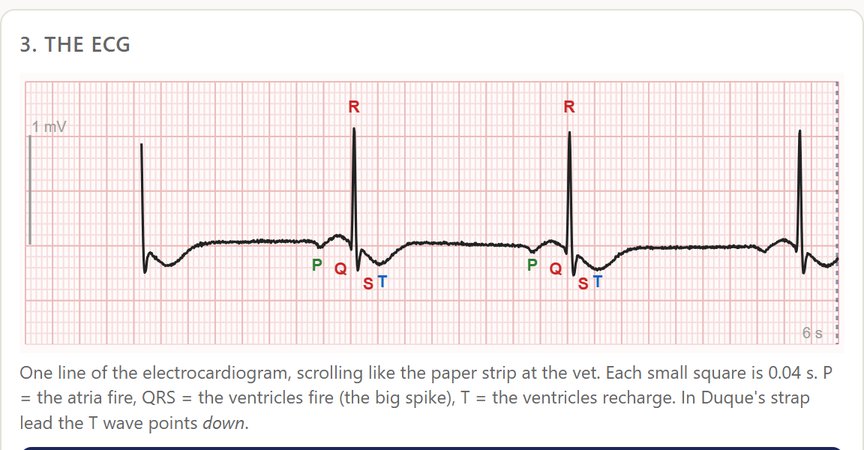
How heart rate and heart-rate variability track gait, effort, and recovery.
When blood flow in the equine aorta turns from smooth to turbulent.
How breathing couples to the stride, and how heart rate responds to music.
Duque, and two of the free apps built from his data.
Jellyfish and corals
Swimming, feeding, and stirring
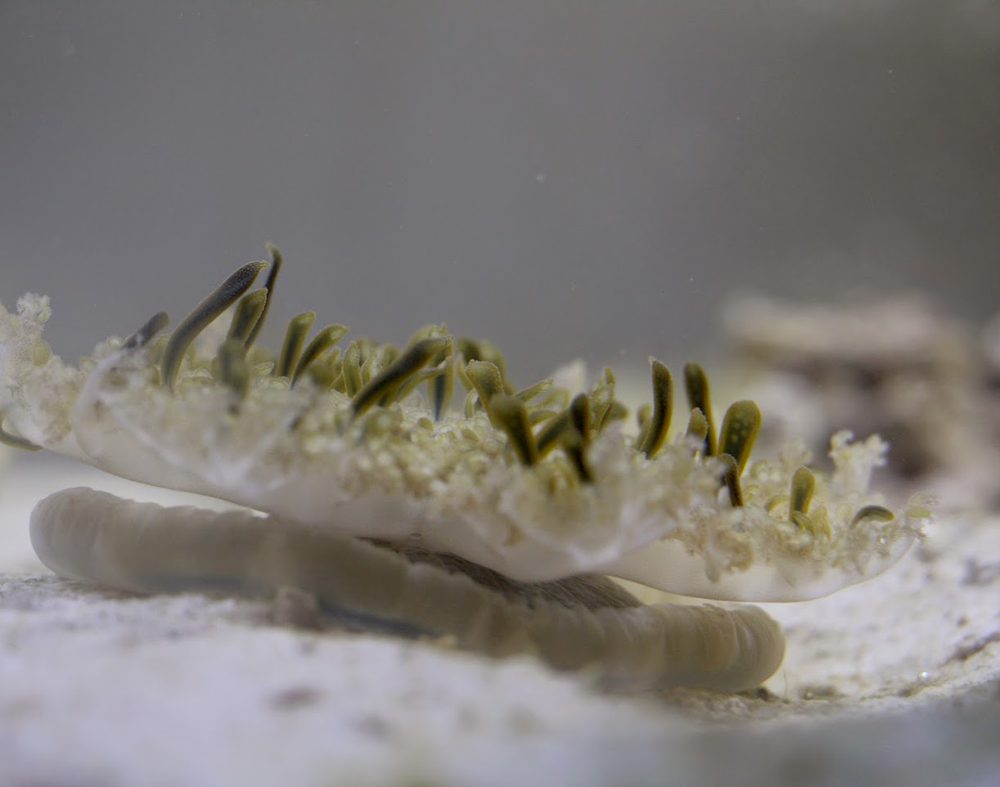
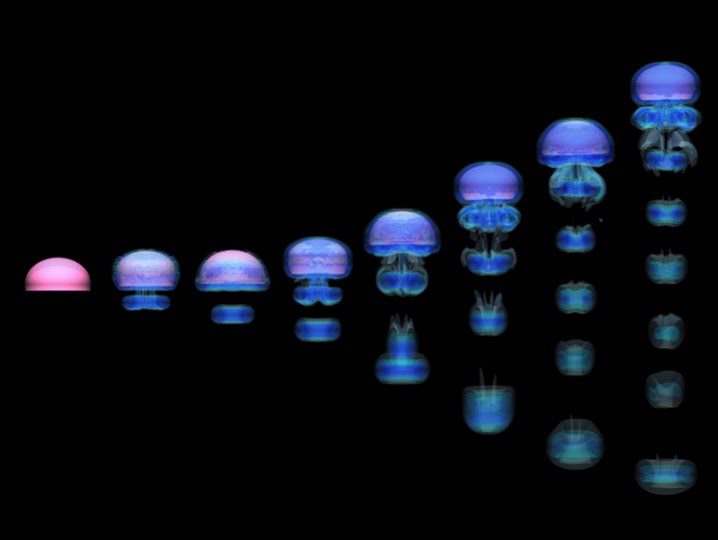
Upside-down jellyfish (Cassiopea) rest on the sea floor and pulse their bells. Each pulse pulls water toward the frilly oral arms, where plankton is caught, and pushes it up and away. Because the bell presses against the sand, the flow is not like a swimming jellyfish's: new water comes in with every pulse.
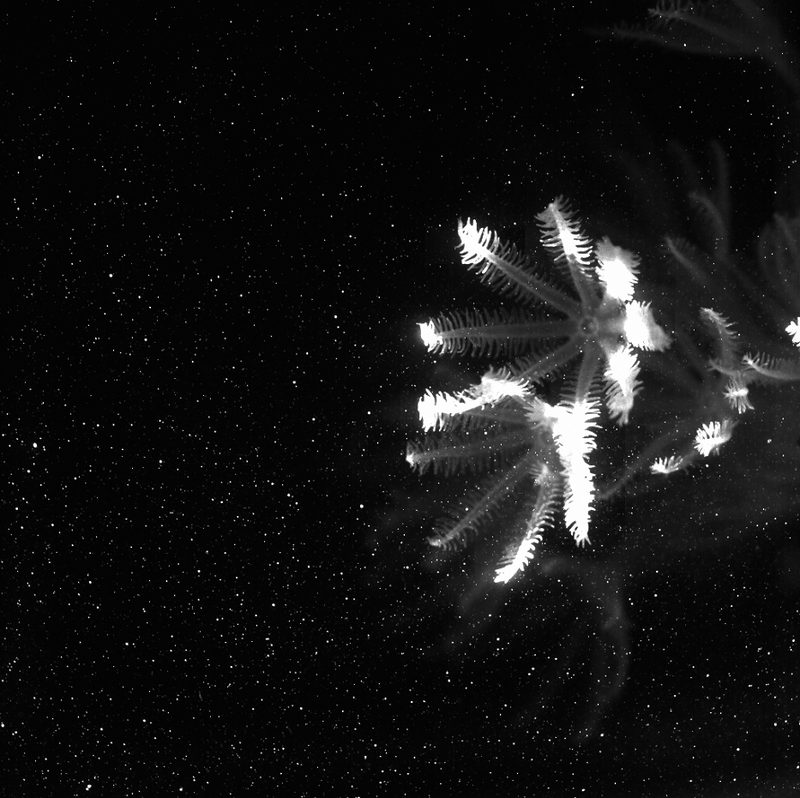
We study how the oral arms filter like a porous layer, how mucus and stinging cells help with feeding and defense, and how bell shape, muscle, and resonance make swimming efficient. We also study soft corals that pulse to stir the water around them, and the fast firing of stinging capsules.
Upside-down jellyfish, a simulated swimmer, and a pulsing soft coral.
Small scales
Tiny flyers and leaky filters
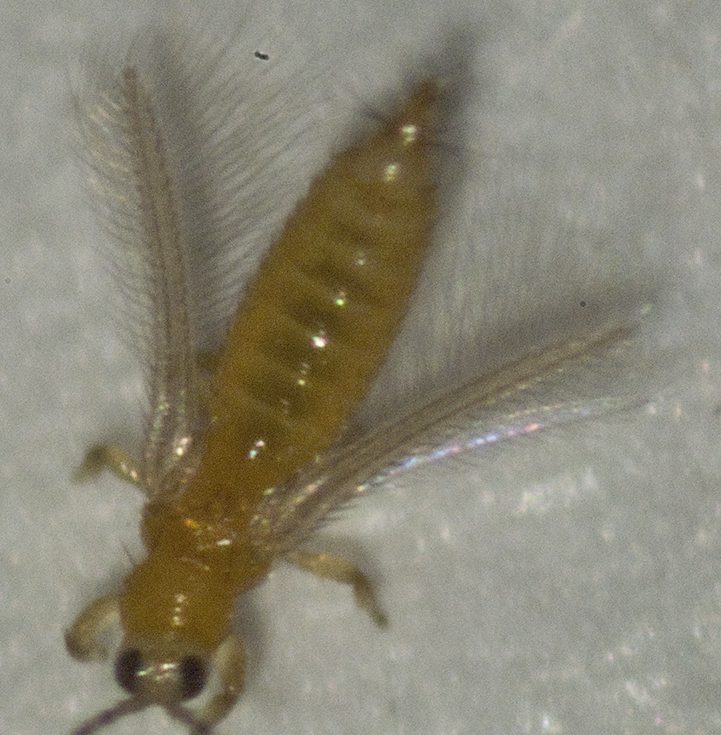
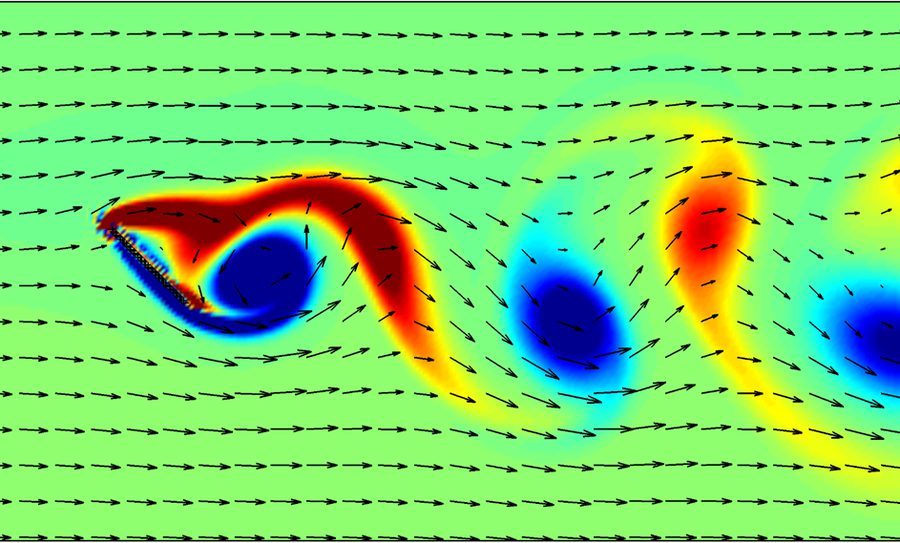
The smallest flying insects, like thrips and fairyflies, are about a millimeter long or smaller, and their wings are mostly bristles. At that size air feels thick. We showed that flapping flight changes below a Reynolds number of about 40: lift drops and drag climbs. Many tiny insects clap their wings together and fling them apart for extra lift, and the bristles cut the large force needed to fling.
The same physics shows up in bristled legs, antennae, and feeding filters. Depending on size and speed, a row of hairs can act like a solid plate or like a leaky rake. We are working out where that switch happens and what it means for catching particles.
A thrips, the wake of a flapping wing, and flow through a bristled array.
Hearts and pumps
From heart tubes to racehorses
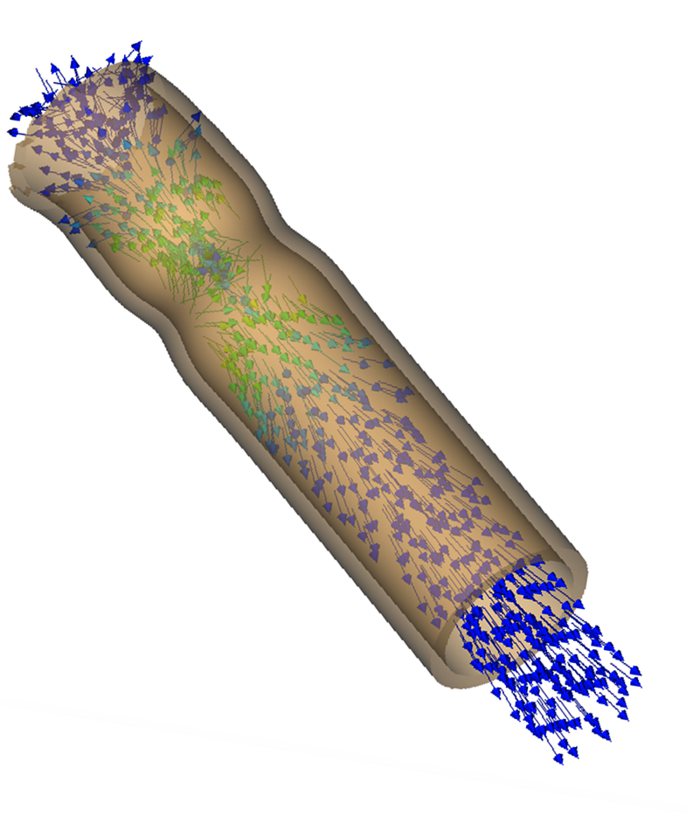
Every vertebrate heart starts as a simple tube with no valves. As it grows, the flow inside changes from smooth and syrupy to swirling, and those changes may help shape the chambers. We build physical models and simulations of embryonic hearts, valveless tubular hearts, and the small vessels of the lymphatic system.
Now we are looking at the other extreme: the athletic heart and aorta of the horse, where flow speeds up enough to turn turbulent.
Blood cells in a simulated heart tube, and physical models of the embryonic heart.
Plants
Leaves in wind and water
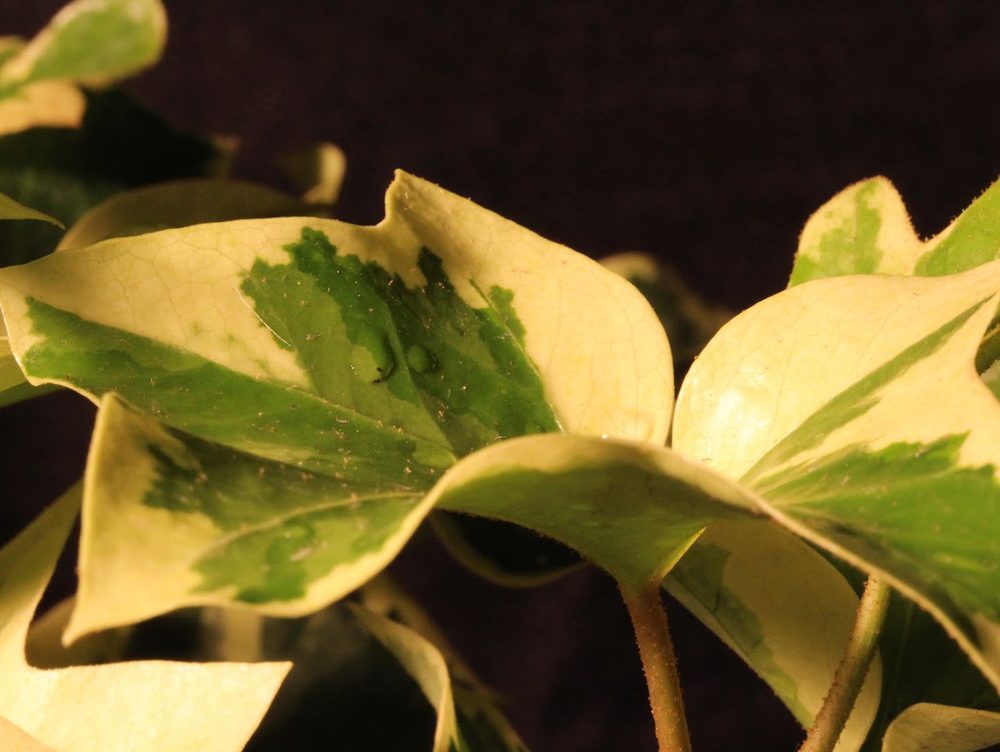
In strong winds, broad leaves roll up into cones that flutter less and feel less drag than a flat sheet would. We use simulations and flow visualization to see how flexible leaves, stems, and aquatic plants reconfigure in wind and waves, and how plants shelter the plankton that live among them.
Most of this work is open. Our code, including IB2d, IBAMR examples, Planktos, and Fluidlets, is on the teaching and code page. The full list of papers is on the publications page.